


Issue Areas
The Washington Center for Equitable Growth focuses on a number of policy-relevant issues to advance shared prosperity and economic growth.

838 Results


Reimagining and rebuilding the federal government: the role of social scientists in evidence-backed U.S. policymaking (opens in a new tab)
Essays Nov 20, 2026
The Washington Center for Equitable Growth earlier this month convened a panel of scholars and former senior officials at the Association for Public Policy Analysis and Management’s Fall Research Conference…
Unpacking the implications of new SNAP rules as increased costs shift to states (opens in a new tab)
Essays Oct 1, 2026
The One Big Beautiful Bill Act resulted in millions of people losing their access to the Supplemental Nutrition Assistance Program, which they rely on to purchase groceries. The new law…

Economic research shows immigration is good for U.S. workers, the economy, and affordability (opens in a new tab)
Essays Aug 31, 2026
When President Donald Trump returned to the White House in 2025, mass deportations and immigration restrictions were renewed as one of the political priorities of his second administration. Since then,…
 View Chart
(opens in a new tab)
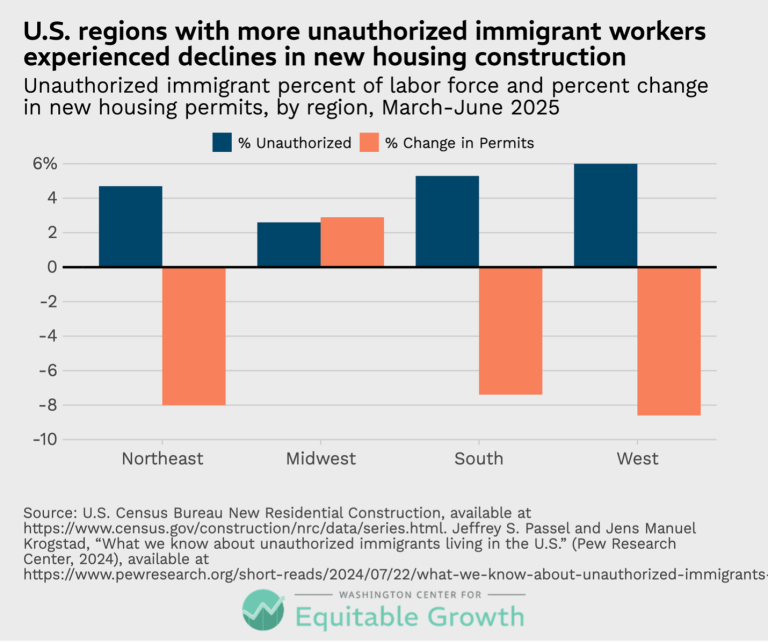
U.S. regions with more unauthorized immigrant workers experienced declines in new housing construction (opens in a new tab)
Visualizations Aug 31, 2026
 View Chart
(opens in a new tab)
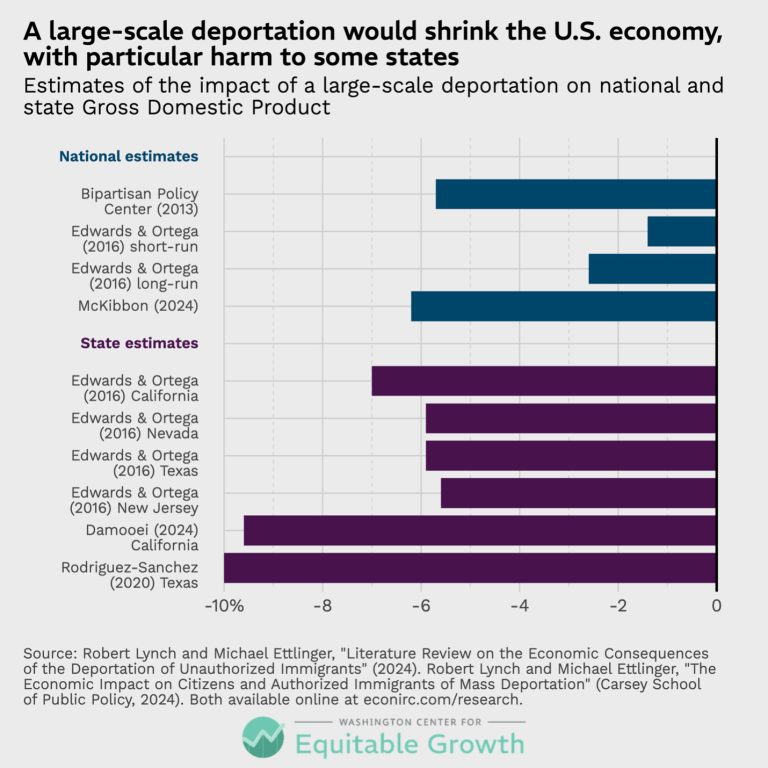
A large-scale deportation would shrink the U.S. economy, with particular harm to some states (opens in a new tab)
Visualizations Aug 31, 2026

Streamlining applications to social programs unlocks more support for the U.S. families who need it most (opens in a new tab)
Essays Jul 7, 2026
Millions of low-income families in the United States tap into multiple social programs to help them meet their needs. A single household, for example, might rely on the Supplemental Nutrition…
Multiple Program Participation in the Safety Net: Incidence, Impediments, and Implications (opens in a new tab)
Working Papers Jul 7, 2026
Multiple program participation is a defining feature of the U.S. safety net, with half of recipients enrolling in two or more programs. Yet most research examines programs in isolation, missing…

The One Big Beautiful Bill Act, one year later: Parsing the evidence on the law’s consequences so far (opens in a new tab)
Blog Jun 30, 2026
The One Big Beautiful Bill Act signed into law one year ago on July 4, 2025, shifted trillions of dollars in income from working-class families to corporations and very wealthy…
Barriers to Benefits: Unemployment Insurance Take-Up and Labor Market Effects (opens in a new tab)
Working Papers May 19, 2026
Unemployment insurance (UI) take-up is relatively low in the United States. We implement a large-scale field experiment among 50,000 likely unemployed individuals to study the causes and labor supply implications…
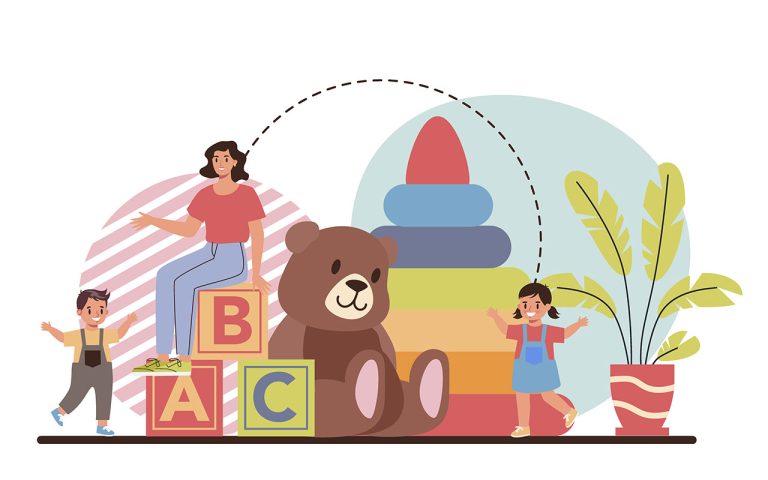
Factsheet: What the research says about early care and education in the United States (opens in a new tab)
Factsheets Apr 16, 2026
Research has long shown the importance and value of high-quality early childhood care and education. Child care offers working parents the ability to fully participate in the labor force and…
How does early childhood care and education affect U.S. families and workers, and which policies support child participation and boost the quality of care? (opens in a new tab)
Reports Apr 16, 2026
As states consider policy action in early childhood care and education, there is an existing—and growing—evidence base from which to draw lessons. This report summarizes the rigorous evidence on program…
 View Chart
(opens in a new tab)
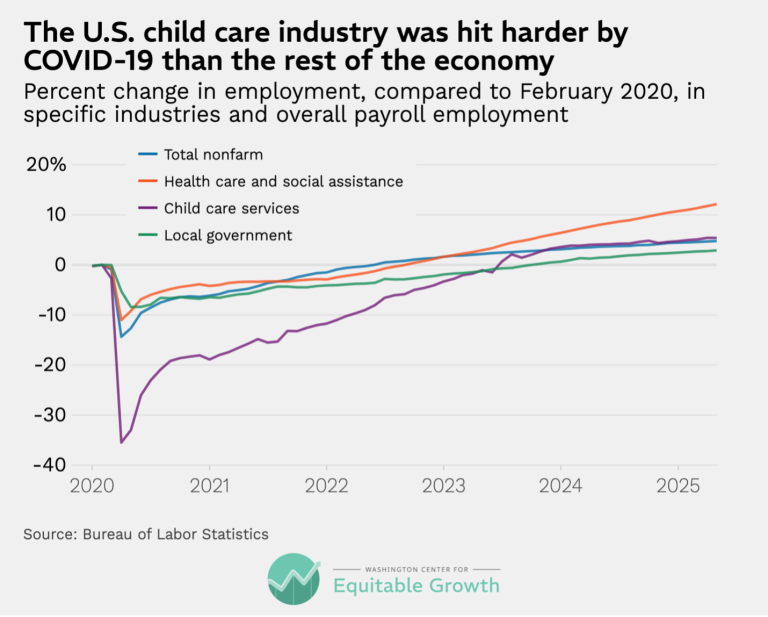
The U.S. child care industry was hit harder by COVID-19 than the rest of the economy (opens in a new tab)
Visualizations Apr 15, 2026







































Your Source for the Latest Insights
Get updates on our latest research, event announcements, and policy insights delivered straight to your inbox. Stay connected with the leading voices on equitable growth.