


Policy Resources
From in-depth analysis to evidence-backed policy insights, find resources that help explain how economic policy shapes outcomes for workers, families, and long-term growth.
Our Policy Areas of Focus
The Washington Center for Equitable Growth connects economic evidence and policy to promote shared prosperity and growth by translating evidence for policymakers, elevating scholars and their work, and funding policy-relevant research.

How Ideas Move Into Policy Decisions
AI, Tech & Energy
Equitable Growth advances research and policy analysis on how artificial intelligence, emerging technologies, and the energy transition affect workers, inequality, and broad-based economic growth.

We focus on:
- The effect of AI and the energy transition on employment levels, job quality, and regional labor markets
- The effect of AI and the energy transition on investment, productivity, inequality, and growth
- How supply chains and market structure affect the direction of the tech and energy industries
- The effect of technology on worker power, job quality, and the returns to work
Macroeconomics & Economic Measurement
Equitable Growth advances research and policy analysis on macroeconomic policies and better economic measurement that promote stable and broad-based economic growth.
We focus on:
- Measuring and reducing wealth inequality using novel data and analysis
- Tools to respond to recessions that limit scarring and quickly stabilize households and the macroeconomy
- Which trade-related policies, including tariffs or industrial policy, are most effective at supporting a stable and dynamic economy
Political Economy & Democracy
Equitable Growth supports research and policy analysis on how economic inequality shapes political power and democratic institutions, and how that in turn affects broad-based economic growth.

We focus on:
- Economic and cultural factors that contribute to rising support for authoritarian populism and policy solutions for a pro-growth, pro-democracy economy
- The role of social scientists in supporting the use of evidence in policymaking
Taxation
Equitable Growth advances research and policy analysis on how tax policies can generate revenue and promote policies for a fairer, more efficient tax code.

We focus on:
- Distributional analysis, including distributional weighting of benefit-cost analysis
- Pass-through and other business taxation
- Tax enforcement, especially related to trusts and large, complex partnerships
- Taxing wealth, including from new sources of wealth, such as artificial intelligence and cryptocurrency
Competition & Economic Dynamism
Equitable Growth advances research and policy analysis on how strong competition among U.S. businesses reduces inequality and creates broad-based economic growth.

We focus on:
- Monopsony and corporate consolidation
- The effectiveness of antitrust enforcement and regulatory policies
- The effect of market concentration on employment, wages, prices, and availability of services
- New approaches to antitrust that do not necessarily rely on prices
Household Economic Security
Equitable Growth advances research and policy analysis on how access to care, policies that balance work, life, and education create stable, broad-based economic growth.

We focus on:
- Care policy, including childcare, and paid leave
- Job quality, scheduling, and earnings stability
- Social insurance and public benefits, including unemployment insurance
- Income volatility, household economic security, and economic mobility
Economic Equity & Opportunity
Equitable Growth advances research and policy analysis on how trends in economic inequality and mobility and changes in the economy have affected the concentration of wealth, income, and earnings, and how these distributional shifts have affected the promise of economic security and opportunity.

We focus on:
- Gender and racial earnings gaps
- The distribution of income, wealth, and growth
- Intergenerational economic mobility
- Wealth-building and access to assets, including child savings accounts
Labor, Wages & Worker Power
Equitable Growth advances research and policy analysis on how inequalities in wages, bargaining power, and the evolving labor market affect workers’ economic security and opportunity as well as broad-based economic growth.

We focus on:
- Policies beyond the minimum wage to boost wages and non-wage amenities
- Policies that increase workers' bargaining power or inform labor strategies
- Policies to address occupational segregation and gender and racial income inequality
- Firm responses to policies intended to improve worker wages and well-being
- Policies that are most effective at supporting workers and/or regional labor markets to respond to transitions
How Ideas Move Into Policy Decisions

Translate evidence and engage decision makers
Diagnose policy challenges where evidence can make a difference
Train and equip academics to translate their research findings to inform policy solutions
Identify rigorous research evidence that provides actionable insights for policymakers

Equitable Growth
connects policy and research at every step

Progress depends on a continuous exchange between ideas and action.
Policy challenges shape the direction of research, and research shapes how policymakers understand those challenges and their solutions. When the two stay connected, evidence becomes more than insight. It becomes a tool for better decisions.

That connection is powered by people.
At the center of this work is a network of more than 400 researchers focusing on real policy questions—helping explain economic trends, evaluate solutions, and inform decision-making.
760 Results


Reimagining and rebuilding the federal government: the role of social scientists in evidence-backed U.S. policymaking (opens in a new tab)
Essays NOV 20, 2026
The Washington Center for Equitable Growth earlier this month convened a panel of scholars and former senior officials at the Association for Public Policy Analysis and Management’s Fall Research Conference…
By: Chris Clayton (opens in a new tab), Korin Davis (opens in a new tab)
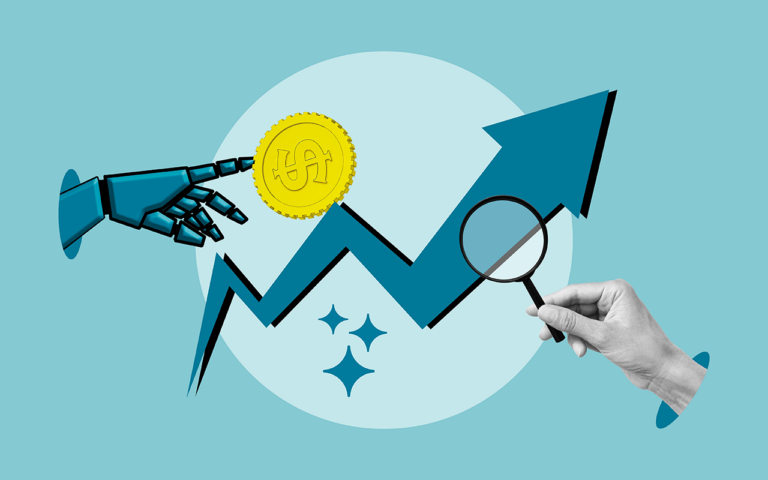
AI-related inputs drove U.S. businesses’ import growth in 2025 (opens in a new tab)
Essays NOV 18, 2026
The enduring question of last year’s tariff rollercoaster is whether the economic pain was worth reshoring U.S. supply chains. A preliminary answer came in a September data release from the…
By: Christopher Bangert-Drowns (opens in a new tab)

An end to summer tariff peace threatens U.S. economic growth (opens in a new tab)
Essays OCT 30, 2026
The summer months of relative tranquility in U.S. trade policy could be shattered as announced tariff escalations with Canada take effect, translating into higher costs for U.S. businesses and consumers,…
By: Christopher Bangert-Drowns (opens in a new tab)
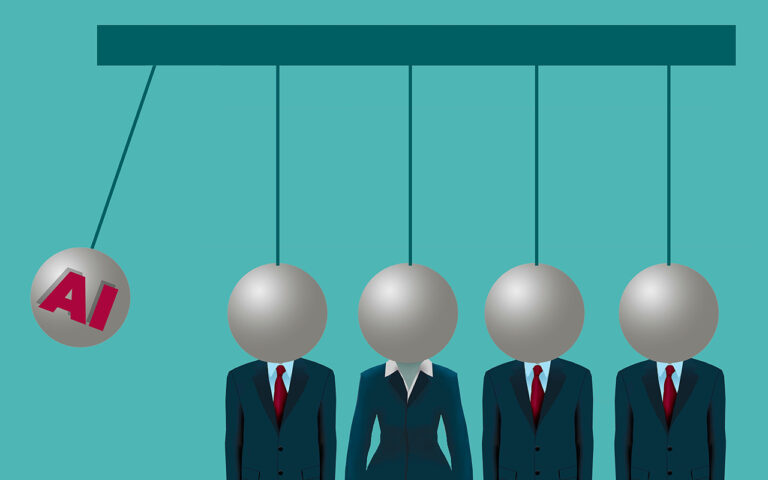
Assessing proposed legislation to expand Unemployment Insurance to protect U.S. workers amid AI-related disruptions (opens in a new tab)
Essays OCT 23, 2026
The adoption of advanced artificial intelligence tools in the workplace has led to widespread concerns about the degradation of work and potential job displacements. While research is mixed on AI’s current labor…
By: Megan Rivera (opens in a new tab), Alexander Hertel-Fernandez (opens in a new tab)

A snapshot of the argument at the heart of the federal budget debate (opens in a new tab)
Essays OCT 20, 2026
Over the past few weeks, the federal budget, and especially the persistent and large budget deficit, has been thrust back into the news. With it, the argument about who is…
By: Equitable Growth (opens in a new tab)
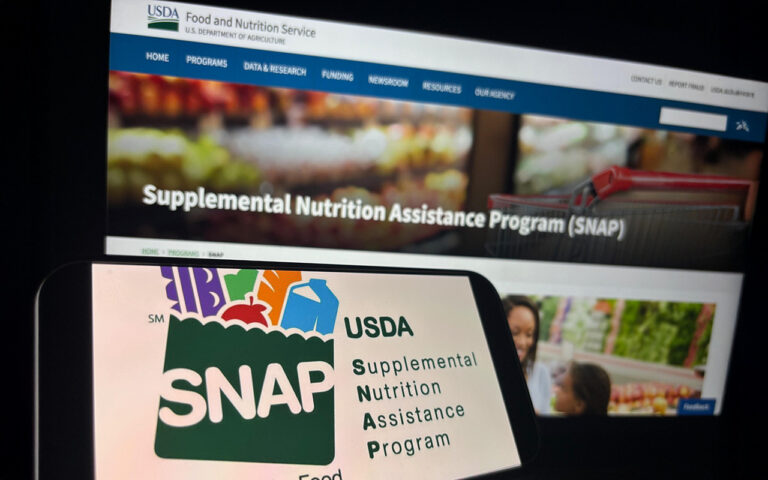
Unpacking the implications of new SNAP rules as increased costs shift to states (opens in a new tab)
Essays OCT 1, 2026
The One Big Beautiful Bill Act resulted in millions of people losing their access to the Supplemental Nutrition Assistance Program, which they rely on to purchase groceries. The new law…
By: Equitable Growth (opens in a new tab)

Applying a debt-to-wealth lens internationally reveals subtle differences between countries’ fiscal capacities (opens in a new tab)
Essays SEP 24, 2026
In late August, investor demand for government bonds weakened, sending yields (the interest rate governments must offer to attract investors) soaring. Yields on 10-year U.S. bonds, which were just 4…
By: Austin Clemens (opens in a new tab), David S. Mitchell (opens in a new tab)
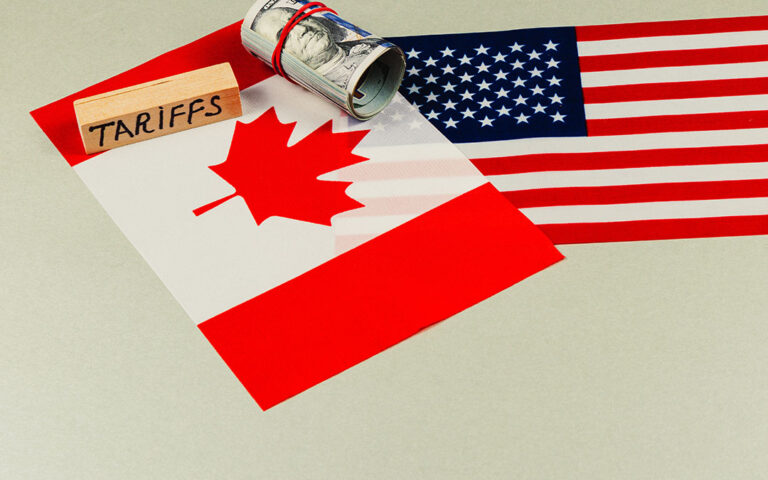
Trump’s trade war with Canada grows increasingly costly as Section 338 tariffs harm both economies (opens in a new tab)
Essays SEP 22, 2026
President Donald Trump continues to escalate his administration’s perplexing trade spat with Canada through the expanded use of novel tariff powers in Section 338 of the Tariff Act of 1930.…
By: Christopher Bangert-Drowns (opens in a new tab)
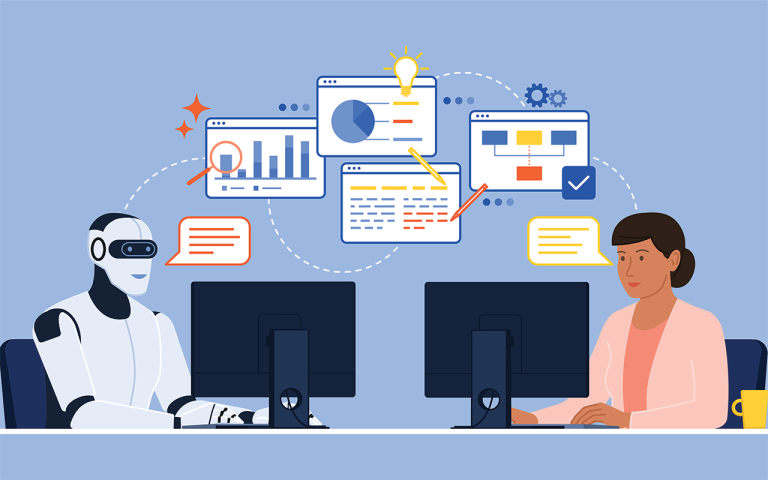
What Work Does Generative AI Do? (opens in a new tab)
Essays SEP 8, 2026
Since August 2024, our Real-Time Population Survey (RPS), a nationally representative survey of U.S. adults ages 18 to 64, has tracked how many Americans use generative artificial intelligence (AI). The adoption…
By: Alexander Bick (opens in a new tab), Adam Blandin (opens in a new tab), David Deming (opens in a new tab), Tyler Schumacher (opens in a new tab)

What happens to U.S. workers without access to Unemployment Insurance amid economic downturns or disruptions related to AI? (opens in a new tab)
Essays SEP 2, 2026
The adoption of artificial intelligence in the workplace has led to predictions of U.S. labor market disruptions. In response, policymakers have increased attention on the fitness of the nation’s social…
By: Megan Rivera (opens in a new tab)

Economic research shows immigration is good for U.S. workers, the economy, and affordability (opens in a new tab)
Essays AUG 31, 2026
When President Donald Trump returned to the White House in 2025, mass deportations and immigration restrictions were renewed as one of the political priorities of his second administration. Since then,…
By: Christopher Bangert-Drowns (opens in a new tab)

Terms and conditions for generative AI users outline a new legal framework that puts U.S. consumers at risk (opens in a new tab)
Essays AUG 20, 2026
Generative AI, or genAI, is a form of artificial intelligence that produces content in response to prompts and includes large language model chatbots such as OpenAI’s ChatGPT or Anthropic’s Claude.…
By: Chiara Chanoi (opens in a new tab)